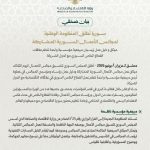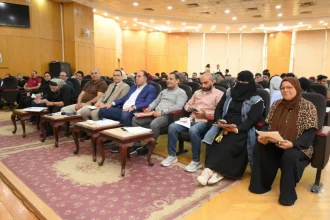



The Syrian economic ecosystem reached a significant turning point as business leaders, government officials, and international development partners gathered for the Syrian Private Sector Dialogue (PSD-2026-Damascus). Convened from June 1 to 3, 2026, at the Conference Palace in Damascus, this historic event marked the first time the flagship national conference was hosted inside Syria since its inception in 2018. Led by the Ministry of Economy and Industry and organized by the United Nations Development Programme (UNDP) with the support of the Government of Japan, the dialogue represents a critical transition toward localization, national ownership, and economic confidence-building.
Breaking New Ground in National Economic Cohesion
Since 2018, previous iterations of the PSD were held outside Syria to provide a neutral environment for a fragmented business landscape. Moving the forum to Damascus signals a major milestone in anchoring economic dialogue directly within the country’s native ecosystem. The three-day convention drew together a diverse spectrum of local entrepreneurs, chambers of commerce, policymakers, international financial institutions, and representatives from the global Syrian diaspora.
The primary focus of the 2026 edition was to bridge the gap between private enterprise and public regulatory authorities. By centering conversations on practical economic recovery, the platform aimed to define the private sector’s role in revitalizing fractured value chains, generating sustainable employment, and laying down predictable, rules-based frameworks for public-private engagement.
Strategic Priorities and the Six-Pillar Agenda
The multi-stakeholder dialogue established a broad consensus across several critical areas required to transform Syria’s business environment. Discussions focused on shifting from emergency early recovery efforts to long-term, scalable economic sustainability through six defined structural pillars:
- Legal and Regulatory Reform: Streamlining administrative processes, reducing bureaucratic blockages, and increasing policy predictability to stimulate investment.
- Financial Sector Modernization: Expanding access to credit and formal banking channels, specifically tailored to fuel the growth of Micro, Small, and Medium Enterprises (MSMEs).
- Logistics and Value Chain Revitalization: Overcoming trade bottlenecks, clarifying customs procedures, and enhancing connectivity to restore regional and international market access.
- Institutionalizing Public-Private Dialogue: Moving away from sporadic consultations to establish a permanent, structured governance mechanism between the state and the private sector.
- Human Capital and Technical Know-How: Investing in skills training, digital innovation, and aligning educational curricula with evolving private-sector demands.
- Inclusive Inclusion Dynamics: Formally integrating women entrepreneurs and structured diaspora capital networks to act as core engines of domestic recovery and market expansion.
Addressing Structural Sanctions and Over-Compliance
A dedicated track of the conference tackled the operational realities of navigating international sanctions. Hosted by the UNDP, specialized panel sessions addressed how persistent over-compliance by international banks and global firms continues to restrict trade finance, cross-border payments, and foreign capital inflows. Business leaders and development actors evaluated specific de-risking mechanisms and policy clarifications needed to unlock legal commercial channels for responsible enterprise, ensuring local businesses can procure critical inputs and technology required for baseline modernization.
Establishing Institutional Mechanisms and the Way Forward
Moving beyond theoretical debate, the conference concluded with concrete operational outputs designed to institutionalize the dialogue’s findings. The Ministry of Economy and Industry announced the creation of a specialized follow-up committee consisting of both public and private sector representatives. This committee will oversee the publication of a comprehensive policy roadmap and monitoring matrix by the end of June 2026 to track the execution of the prioritized reforms.
Furthermore, the summit marked the official launch of the Business Councils Charter. This unified regulatory framework is set to institutionalize joint business councils under a governance structure defined by performance-based metrics and high transparency standards, ensuring consistent representation for Syrian commerce moving forward.
About Syrian Private Sector Dialogue
The Syrian Private Sector Dialogue is an institutional platform led by the United Nations Development Programme (UNDP) aimed at shaping sustainable economic recovery and inclusive growth in Syria. Initiated in 2018 with international backing, the platform acts as an evidence-based vehicle connecting entrepreneurs, chambers of commerce, civil society, and government institutions. PSD facilitates multi-stakeholder collaboration to address regulatory barriers, enhance the domestic investment climate, and leverage private-sector innovation for socio-economic stability.
Source: UNDP