

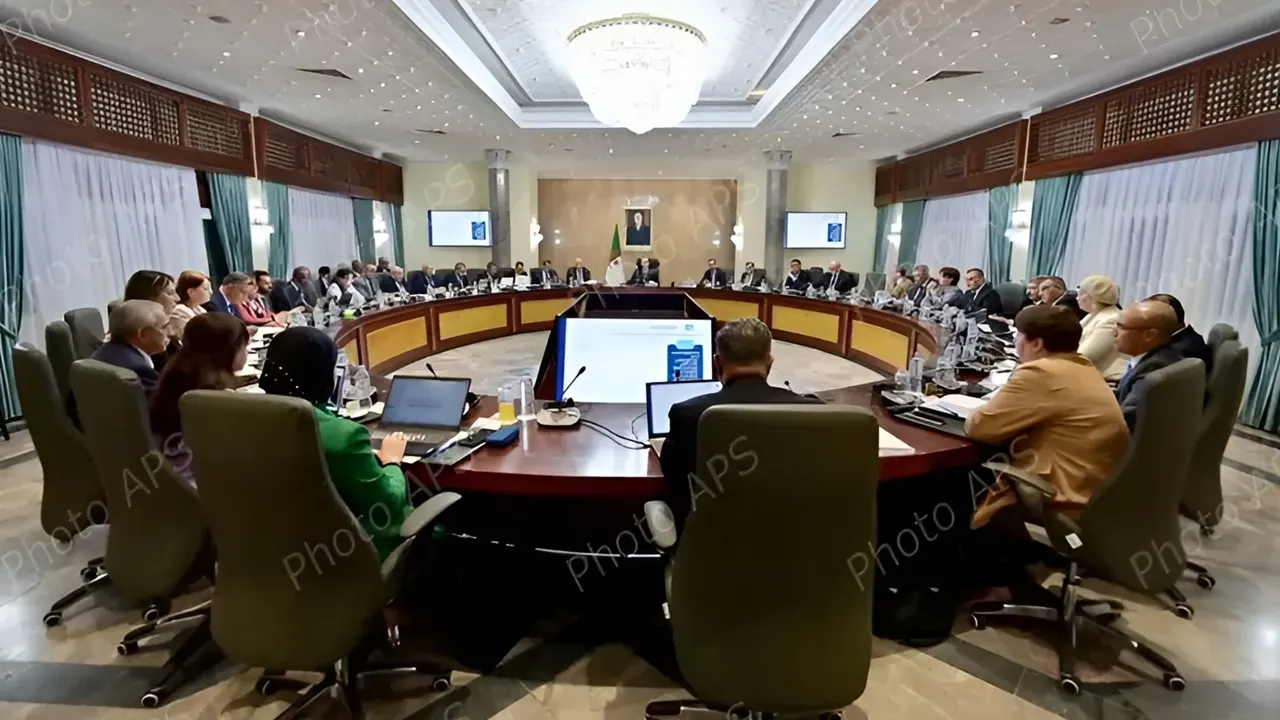
Algeria’s government is pushing ahead with its digital transformation goals, approving the operational launch plan for its centralized Dzair Digital Services portal during a meeting chaired by Prime Minister Sifi Ghrieb on May 25. The move marks a significant step in the implementation of the country’s National Artificial Intelligence Strategy, aiming to modernize public services and build a competitive domestic tech workforce. The new platform was developed by Algeria’s High Commission for Digitalisation.
Quick Facts
- Government approves Dzair digital portal for imminent launch.
- The portal will initially offer 52 public services.
- The launch is part of a six-pillar national AI strategy.
From Pilot to Launch: Dzair Portal Clears Final Hurdles
The Dzair Digital Services portal is ready for public use after completing all development and verification stages. The platform successfully passed cybersecurity tests conducted in coordination with the Information Systems Security Agency (ASSI), which operates under the Ministry of National Defence.
To ensure its readiness, pilot trials were conducted between March and April 2026, involving over 1,700 participants across seven ministerial sectors. The trials allowed citizens to access government documents and services remotely via mobile or computer.
Upon launch, the portal will consolidate 52 digital services from previously separate government platforms, including civil registry, justice, health, and land registry. The platform also features a built-in digital identity system, developed with the Ministry of the Interior, and an electronic wallet for storing downloaded documents.
Fueling the AI Strategy with Local Talent
The portal’s launch is a key deliverable within Algeria’s broader National AI Strategy, which is structured around six pillars: advancing research, developing skills, investing in infrastructure, promoting an AI ecosystem, establishing a regulatory framework, and targeting priority sectors like health and energy.
A core component of this strategy is leveraging the country’s growing talent pipeline. Algerian universities now offer 74 master’s programmes in artificial intelligence across 52 institutions. With over 57,000 students currently studying computer science, the country is building a strong foundation for a domestic AI workforce. While Algerian researchers rank among the top 2% of scientists globally, the strategy’s success will depend on overcoming existing gaps in compute resources, data readiness, and investment.
About Algeria’s National AI Strategy
Algeria’s National AI Strategy is a government-led initiative designed to position the country as a regional player in artificial intelligence. First developed in 2019 and significantly revised in 2024, the strategy focuses on six key pillars for development. It is guided by a dedicated AI Council that advises the government on policy and cross-sectoral implementation as part of the 2025–2030 National Digital Transformation Strategy.
Source: Middle East AI News